Oversharing Isn't a Brand Strategy: How 'Being Real' Online Is Quietly Closing Doors
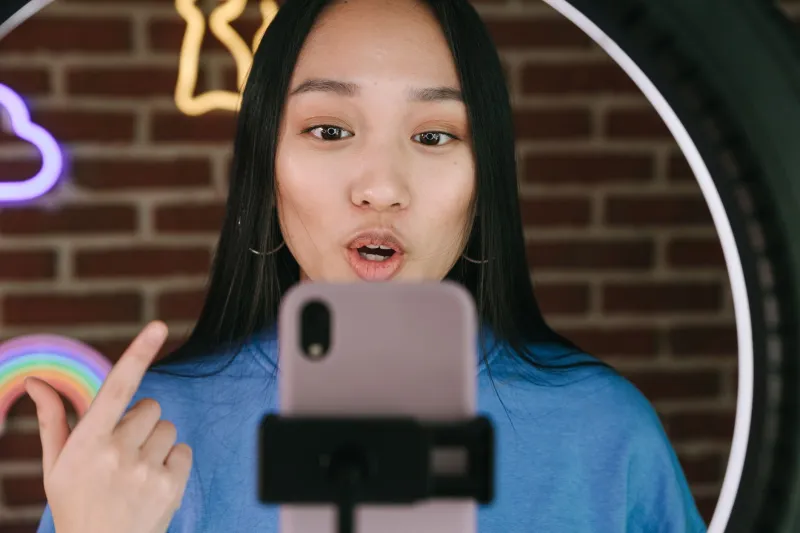
Somewhere between 2016 and now, 'authenticity' became the most overused word in creative culture. Every LinkedIn post, every Instagram caption, every TikTok talking-head video tells you the same thing: be real, be vulnerable, let people in. And look — there's genuine value in that. Connection is real. Relatability matters. Nobody wants to follow a highlight reel that feels like a corporate brochure.
But here's what that advice conveniently leaves out: the people telling you to bare your soul online are often not the ones hiring you, booking you, or writing you a check. And the people who are making those decisions? They're watching what you put out there a lot more carefully than you think.
The Authenticity Economy Has a Dark Side
There's an entire content ecosystem built around emotional disclosure. Creators share their worst days, their financial struggles, their breakdowns, their rejections — and the engagement rolls in. Comments flood with support. Follower counts tick up. It feels like momentum.
And sometimes it is. But momentum toward what, exactly?
Here's the uncomfortable truth: high engagement on a vulnerable post and actual professional opportunity are not the same thing. In fact, they can work against each other. A production company scrolling your feed before a pitch meeting isn't looking for someone who seems relatable — they're looking for someone who seems capable. A brand considering a partnership isn't moved by your raw confessional about creative burnout — they're asking themselves whether you can deliver.
When you conflate emotional resonance with professional credibility, you end up building an audience that loves you and an industry that isn't sure what to do with you.
Strategic Openness vs. Performative Oversharing
This isn't an argument for going cold or robotic online. That's the other extreme, and it doesn't work either. The goal is understanding the difference between strategic openness and performative oversharing — because they look similar on the surface but produce very different results.
Strategic openness means sharing things that build context around your expertise, your process, and your perspective. It's the behind-the-scenes of a project that shows how you think. It's a hard lesson you learned on set that makes you a smarter collaborator. It's an opinion about your industry that demonstrates you've actually been paying attention. This kind of transparency earns trust because it's useful to the people watching.
Performative oversharing, on the other hand, is emotional content dressed up as professional content. It's the tearful caption about imposter syndrome that's really just fishing for reassurance. It's the 'I almost quit' story that's more about the dopamine hit of vulnerability than any actual insight. It's the constant narration of your internal chaos in a way that, honestly, makes people wonder if you can hold it together when it counts.
The distinction isn't about how genuine the content is — you might genuinely be struggling. The distinction is about whether sharing it actually serves your professional goals or just makes you feel temporarily less alone.
What the Most Effective Creatives Actually Do
Pay attention to the people in your industry who consistently land meaningful work, get invited into high-level rooms, and build the kind of reputation that sustains a career. I'm not talking about the loudest voices or the most viral ones — I mean the ones who seem to keep leveling up quietly.
Most of them are selective. They share wins with context. They share lessons without turning their failures into content. They have opinions, but those opinions are usually about the work — about craft, about the industry, about ideas — not about their emotional state on any given Tuesday.
They understand something that the authenticity gospel doesn't teach you: what you withhold is part of your brand too. Restraint signals something. It says you have judgment. It says you know the difference between what's yours to keep and what's worth sharing publicly. In a world where everyone is leaking everything, that kind of discretion is actually rare — and it reads as confidence.
The Audience You're Building Might Not Be the One You Need
This is maybe the sharpest part of the problem. When you build your online presence around emotional disclosure, you tend to attract an audience that's drawn to emotional disclosure. That's not inherently bad — community is valuable, and those connections can be real and meaningful.
But if your actual goal is to build a creative career — to get hired, to collaborate at a higher level, to be taken seriously as a professional — you need to ask yourself whether the audience you're cultivating is aligned with that goal.
An audience of people who relate to your struggles is not the same as an audience of people who want to work with you. And too many creatives spend years building the former while wondering why the latter isn't showing up.
Your content is a signal. It's constantly telling the industry what kind of person you are, what you prioritize, and what working with you might be like. If that signal is mostly 'I'm figuring it out and it's really hard,' don't be surprised when the opportunities that come your way reflect that narrative back at you.
Rethinking What 'Real' Actually Means
Here's the reframe: being real doesn't have to mean being exposed. You can be completely genuine — honest about your values, clear about your perspective, transparent about your process — without making your emotional weather report the centerpiece of your online presence.
Some of the most authentic people I've come across in creative spaces share almost nothing about their personal struggles publicly. What they do share is their taste, their thinking, their work. And that tells you everything about who they are without them ever having to perform vulnerability for an audience.
That's the kind of authenticity that actually builds a career. Not the kind that chases engagement by making yourself the most relatable person in the room — but the kind that quietly, consistently demonstrates that you know what you're doing and you're worth betting on.
Be real. Just be real about the right things.